

Water Activities in Las Catalinas, Costa Rica
The fast answer
Las Catalinas sits on a protected stretch of Guanacaste coastline with calm water, good visibility during dry season, and easy access to some of the best diving in Costa Rica. Water activities range from low-key beach swimming to offshore dive trips to the Catalinas Islands.
What's available:
Snorkeling at both beaches and offshore
Paddleboarding and kayaking
Boat tours and fishing charters
Scuba diving and snorkeling at the Catalinas Islands (20–30 minutes offshore)
Most casual activities can be arranged on arrival. Dive trips and fishing charters benefit from advance booking, especially during peak season.
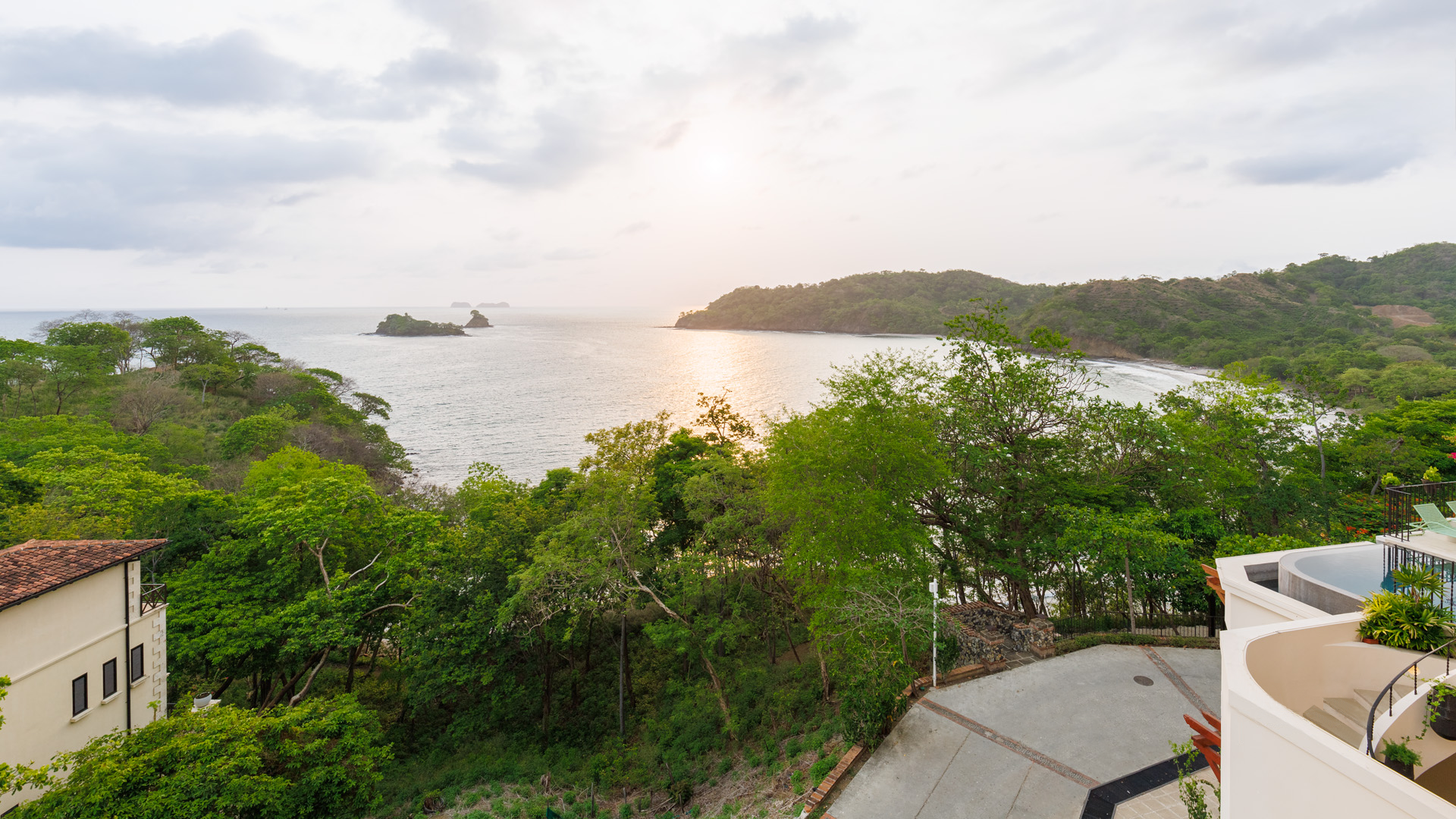
Swimming conditions by season
Understanding the water conditions at Las Catalinas starts with the two seasons.
Dry season (mid-November through April) brings the calmest, clearest water of the year. Winds are lower, visibility is better, and the protected coves at Playa Danta and Playa Dantita are well-suited for comfortable swimming across most age and ability levels. This is the most reliable window for snorkeling and any activity that depends on water clarity.
Green season (May through November) brings afternoon rains onshore, but the water itself is often still swimmable. Visibility can be reduced after heavy rain events, and occasional swells push through the bay. The upside: fewer people in the water and on the beach. Mornings during green season are typically calm and clear before afternoon weather moves in.
For families with young children or guests who are not strong swimmers, dry season conditions at Playa Danta are as beginner-friendly as ocean swimming gets in Costa Rica.
Playa Danta
Playa Danta is Las Catalinas' main beach, walkable directly from town and the most accessible entry point for water activity. The beach has a gradual slope, soft sand, and relatively calm surf compared to more exposed Guanacaste beaches.
Snorkeling at Playa Danta is most productive at the northern and southern ends of the beach, where rock formations create habitat for reef fish. Clarity is best in the morning before onshore winds pick up. Gear can be rented locally or arranged through a staffed villa.
Swimming here is suitable for most guests including children. The protected bay keeps wave action moderate, and there are no strong shore breaks under typical dry season conditions.
Paddleboarding and kayaking launch easily from Playa Danta. The calm morning water makes it a good window for beginners. Stand-up paddleboard rentals are available in town, and the flat water between Las Catalinas and the offshore islands gives experienced paddlers room to explore.
Playa Dantita
Playa Dantita sits just north of Playa Danta, reached by a short walk along the beach or through the trail network above town. It is smaller, quieter, and less visited , which is the point.
The snorkeling at Playa Dantita tends to be slightly more productive than at the main beach. The rocky outcroppings along the edges of the cove hold more marine life, and the lower foot traffic means calmer water conditions on most days.
For guests staying at a villa in Las Catalinas, Playa Dantita is worth the 10 to 15 minute walk specifically because it tends to have fewer people. During peak season, the difference in crowd levels between the two beaches is notable.
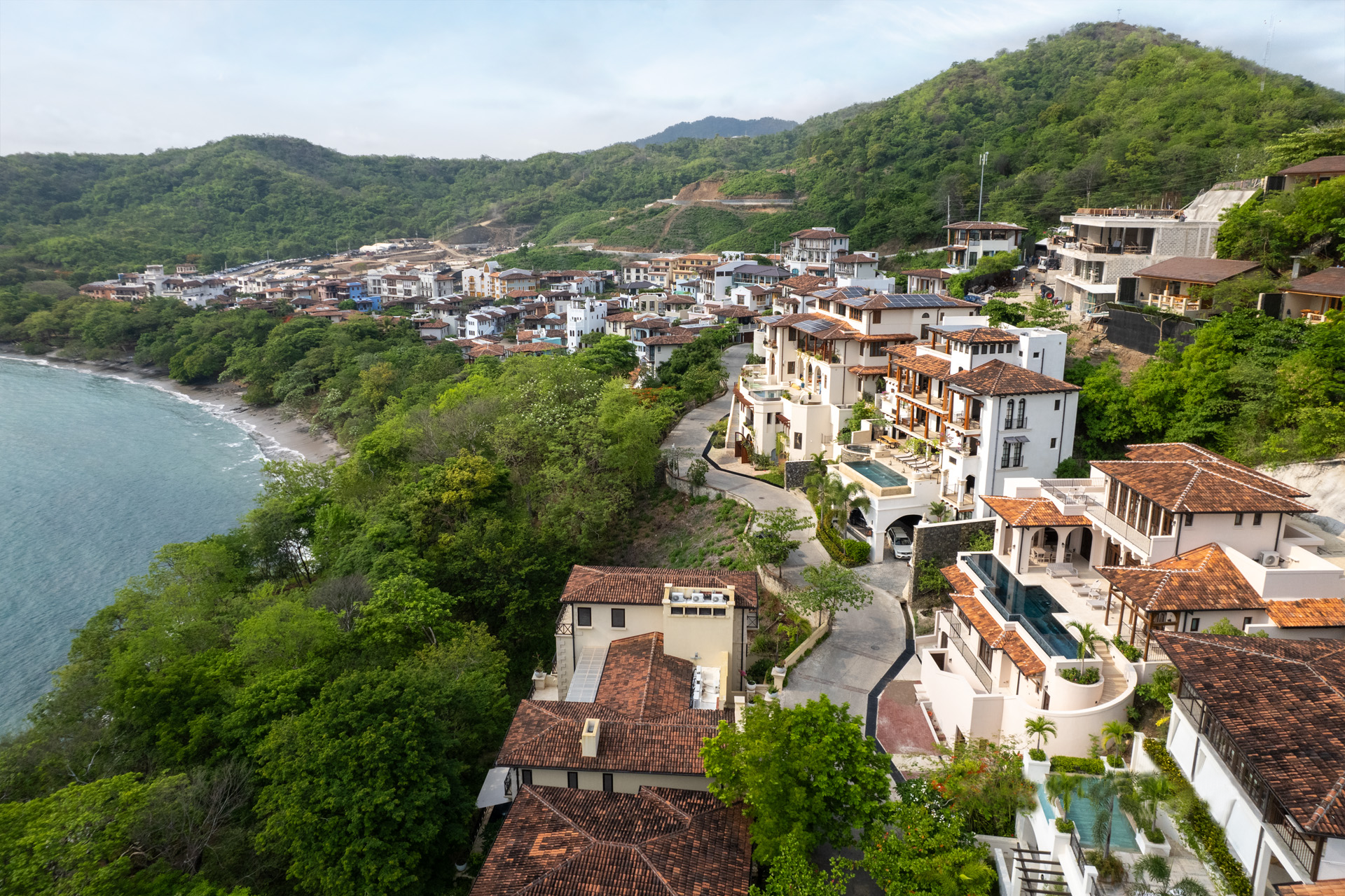
The Catalinas Islands
The Catalinas Islands , Islas Santa Catalina , are the most significant dive and snorkel destination accessible from Las Catalinas, located 20 to 30 minutes offshore by boat.
The islands are uninhabited and sit within a protected marine area. The underwater landscape ranges from shallow reef systems accessible to snorkelers to deeper walls and pinnacles suited for experienced divers. Marine life at the Catalinas Islands is exceptional by regional standards.
What divers and snorkelers commonly see:
Bull sharks and white-tip reef sharks
Manta rays and eagle rays (most reliably December through April)
Moray eels, octopus, and large schools of fish
Sea turtles
Dolphins passing through on the surface
Manta ray sightings are seasonal and most frequent during the cooler upwelling months , typically December through May. Dive operators out of nearby Playas del Coco and Flamingo run regular day trips to the Catalinas Islands and are the most established way to access the site with proper equipment and guides.
This is not a snorkel-from-the-beach destination , the islands require a boat. But the trip is short and the payoff, particularly for divers, is significant.
Boat tours and fishing
Guanacaste's Pacific coast is well-regarded for sport fishing, and the waters around Las Catalinas are no exception. Offshore fishing charters running out of nearby marinas target roosterfish, dorado, tuna, and marlin depending on the season.
Sunset boat tours from the area give guests a view of the coast and the Catalinas Islands from the water , a different perspective on the bay that Las Catalinas overlooks from land.
Boat charters are not arranged directly from the Las Catalinas beach. Local operators run out of Playa Potrero and Flamingo Marina, both within 20 to 30 minutes by road. A staffed villa with an active concierge or hospitality team can coordinate bookings and transportation for guests.
What a staffed villa arranges vs. what guests book independently
This distinction matters practically for guests planning a water-forward trip.
What a staffed villa like Villa Alberti can typically arrange:
Snorkel and paddleboard gear rental or delivery to the property
Transportation to and from boat charter or dive operators
Connections to vetted local guides and operators
Scheduling coordination for multiple guests with different activity interests
What guests generally book directly or through a dive operator:
Scuba certification or guided dive trips to the Catalinas Islands
Sport fishing charters (these require advance booking, especially in peak season)
Multi-day or specialized marine tours
The practical value of a staffed villa for water activity planning is coordination, not provision. A good hospitality team reduces the research burden on guests and ensures transportation logistics are handled , particularly useful for groups where different subgroups want different activities on the same day.
