

How to Plan a Multigenerational Vacation in Costa Rica
A multigenerational Costa Rica trip sounds simple until you're coordinating 18 people across three generations. Here's the planning framework that actually works.
The fast answer
A multigenerational Costa Rica vacation works when three things align:
The region fits the whole group , not just the most adventurous members
The accommodation keeps everyone together without crowding anyone
The daily plan has built-in flexibility so no one is dragged somewhere they don't want to be
Getting all three right takes more planning than most families expect.
Choosing the right region
Costa Rica is more varied than it appears on a map, and not every region works equally well for mixed-age groups.
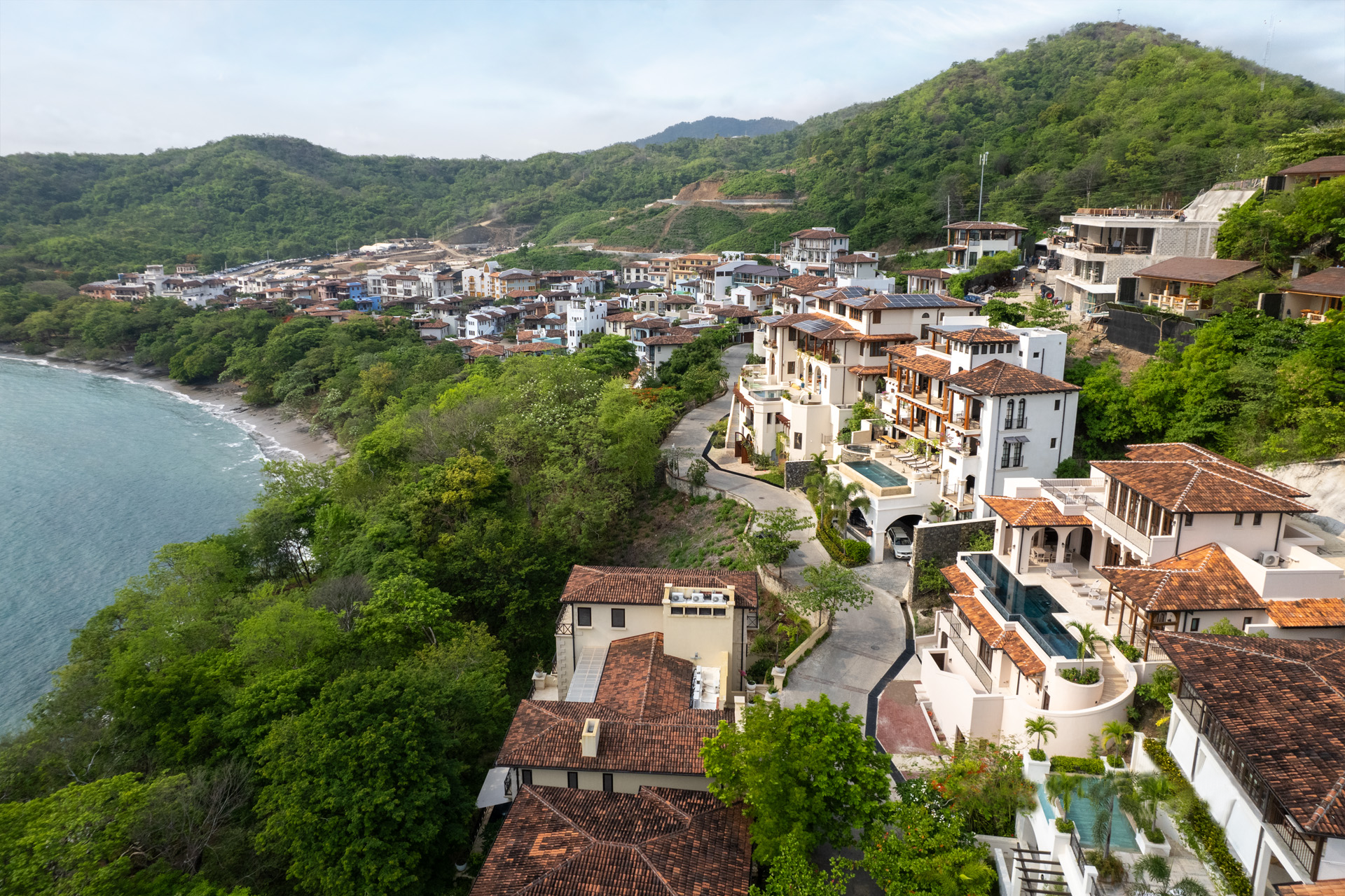
Guanacaste (Pacific northwest) is the most practical choice for most multigenerational trips. The dry season runs December through April, which aligns with peak family travel windows. Beaches are calm, infrastructure is developed, and Liberia International Airport keeps transfer times manageable for older guests and young children.
Manuel Antonio (central Pacific) offers exceptional wildlife and national park access. The tradeoff is a wetter climate, longer drives from San José, and more rugged terrain that challenges guests with limited mobility. It works well if nature immersion is the group's primary goal and everyone is reasonably active.
Arenal and the highland regions skew toward active travelers. Zip-lining, volcano hikes, and cloud forest exploration are rewarding for some of the group , but the pace and terrain exclude others. Better as a day trip than a base.
For most families, Guanacaste is where planning starts. The weather is predictable, the beaches are accessible, and the region has enough variety to keep a wide age range engaged across a full week.
Choosing the right accommodation
This is where multigenerational trips succeed or fall apart.
Resorts give everyone access to shared amenities without coordination. For a large multigenerational party, the group fragments across separate rooms and floors, spontaneous gathering becomes difficult, and the family operates on the resort's schedule rather than its own.
Unstaffed vacation rentals solve the privacy problem but create a logistics one. Meals, housekeeping, and daily coordination fall on whoever organized the trip , which is a part-time job on top of the vacation itself.
Fully staffed private villas are the format that most consistently works at scale. The group has a private property, and a hospitality team handles meals, housekeeping, and daily logistics. The trip organizer runs the family, not the house.
Key variables to evaluate in any staffed villa:
Actual bed count , not maximum occupancy, which sometimes includes sofas and lofts
Suite count , households need their own rooms, not shared quarters with extended family
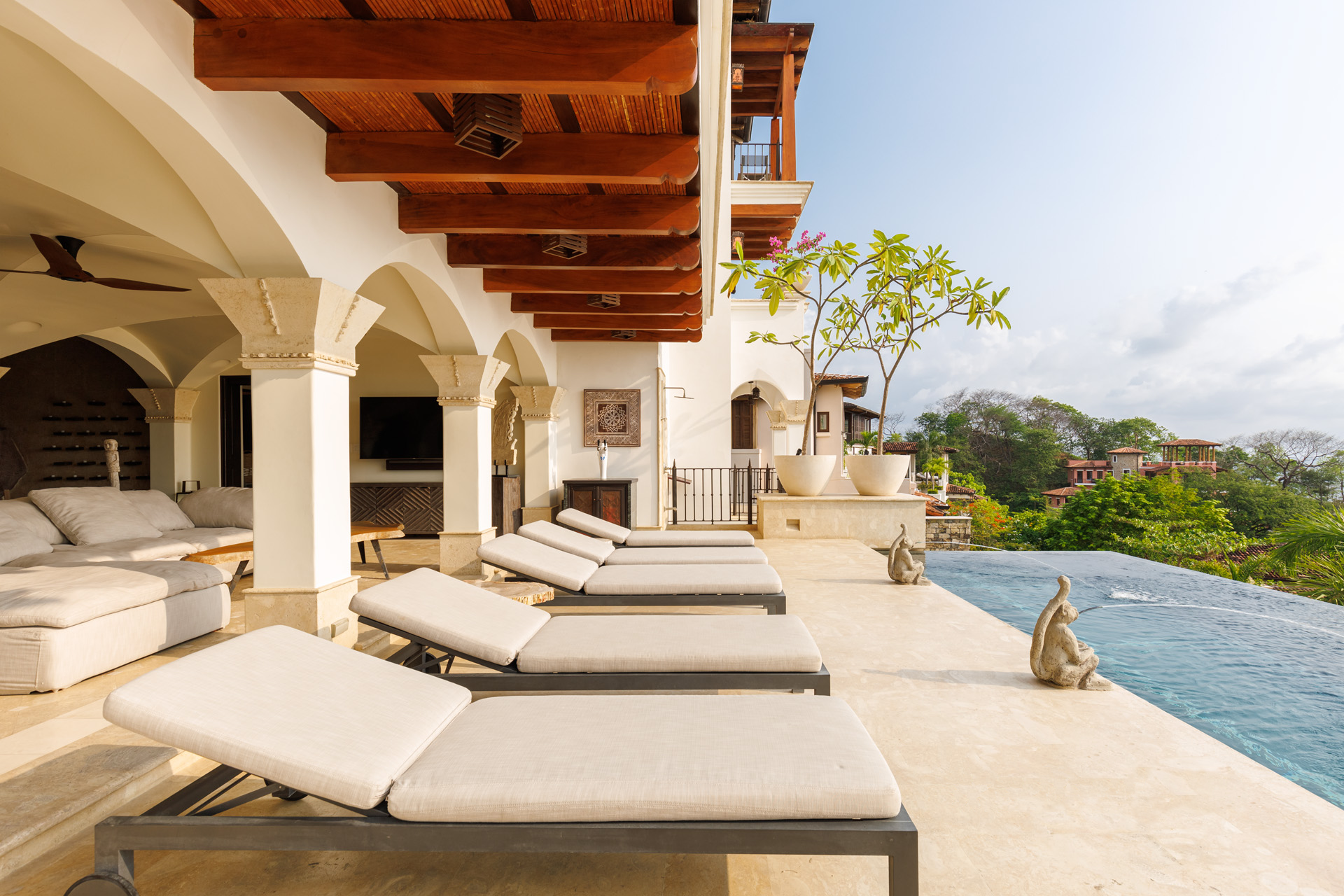
Common space variety , one pool and one living room creates bottlenecks in a group of 16
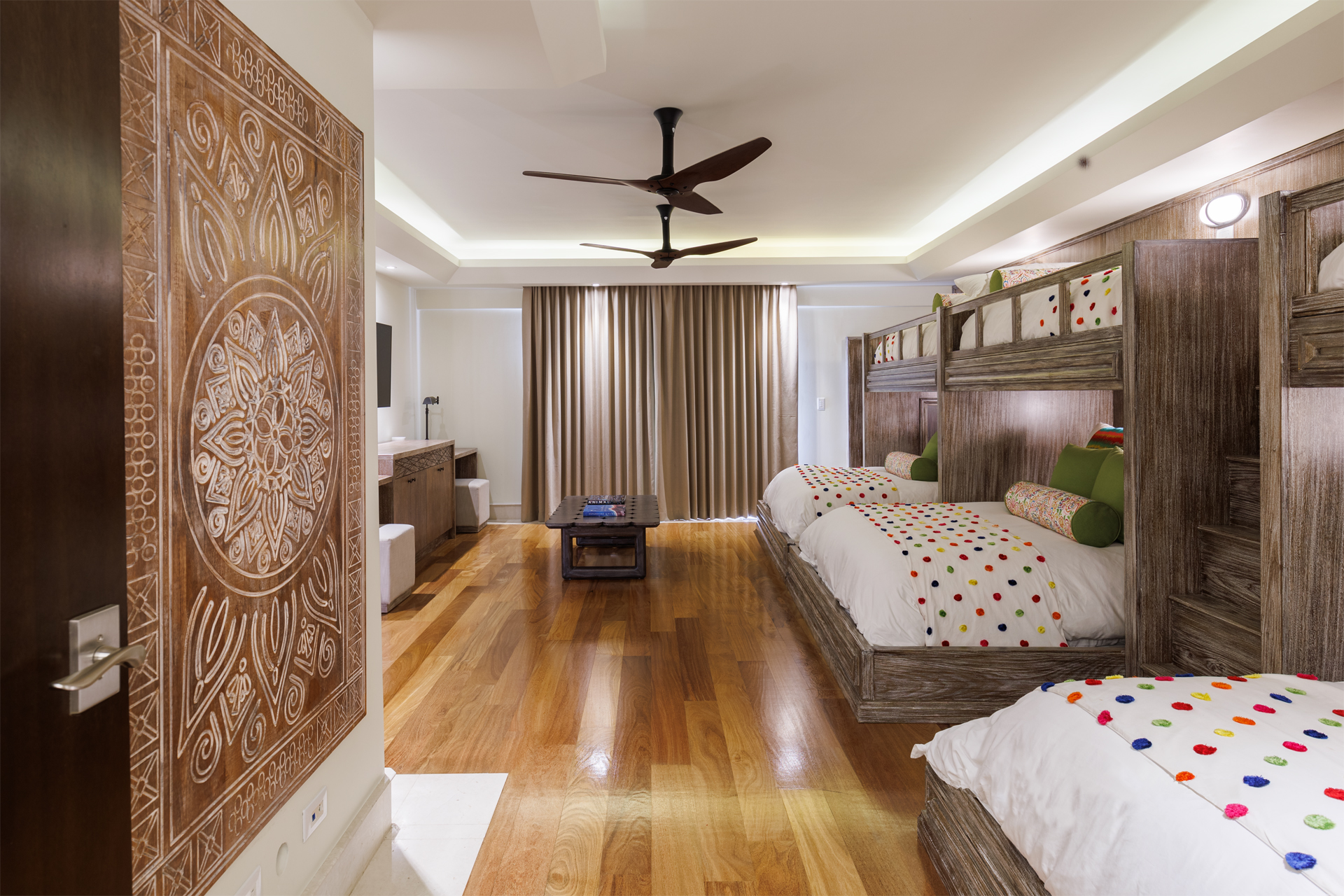
Children's accommodations , a dedicated children's suite is meaningfully different from a converted adult room
Location , remote villas require vehicle coordination for every outing, which compounds across a week
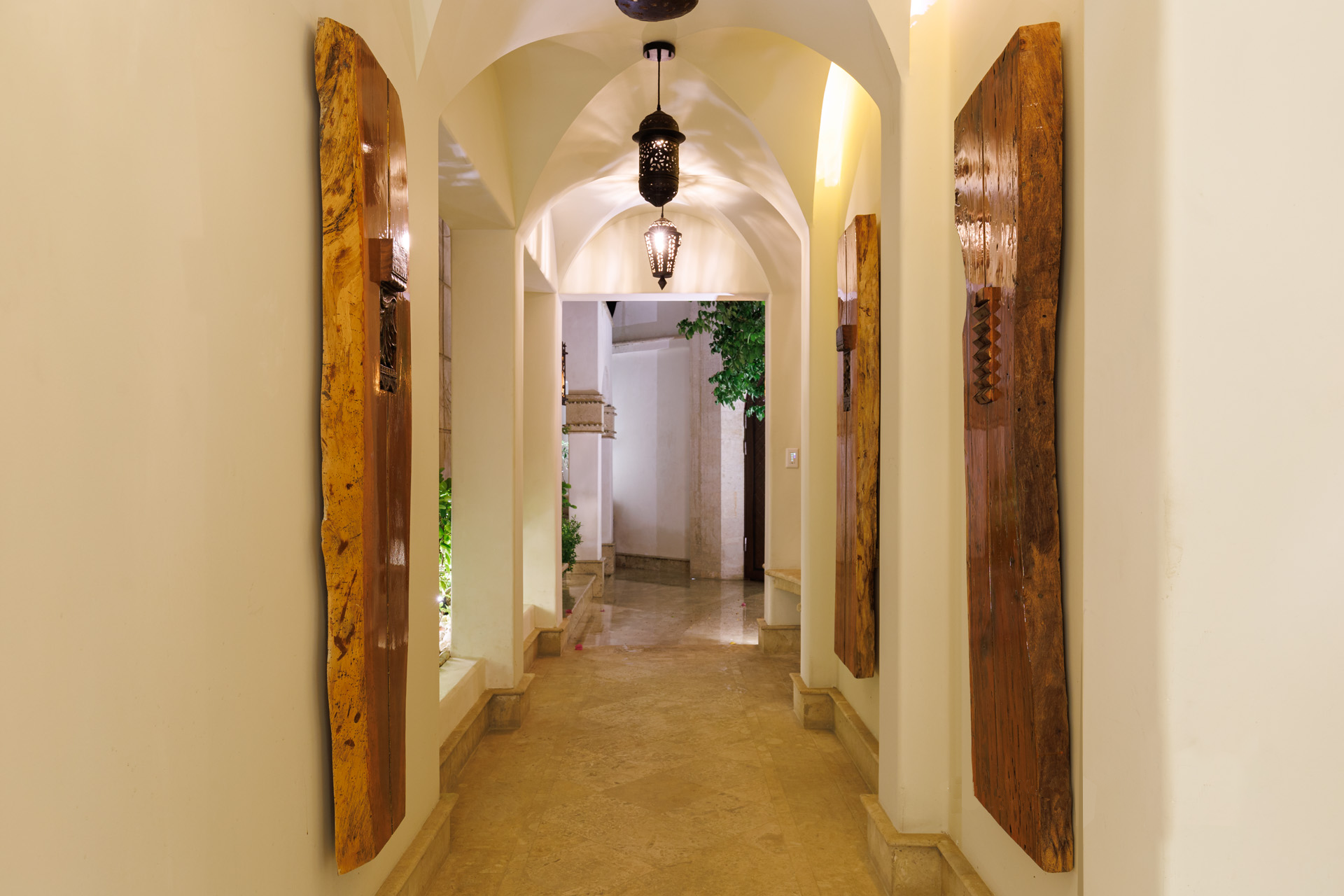
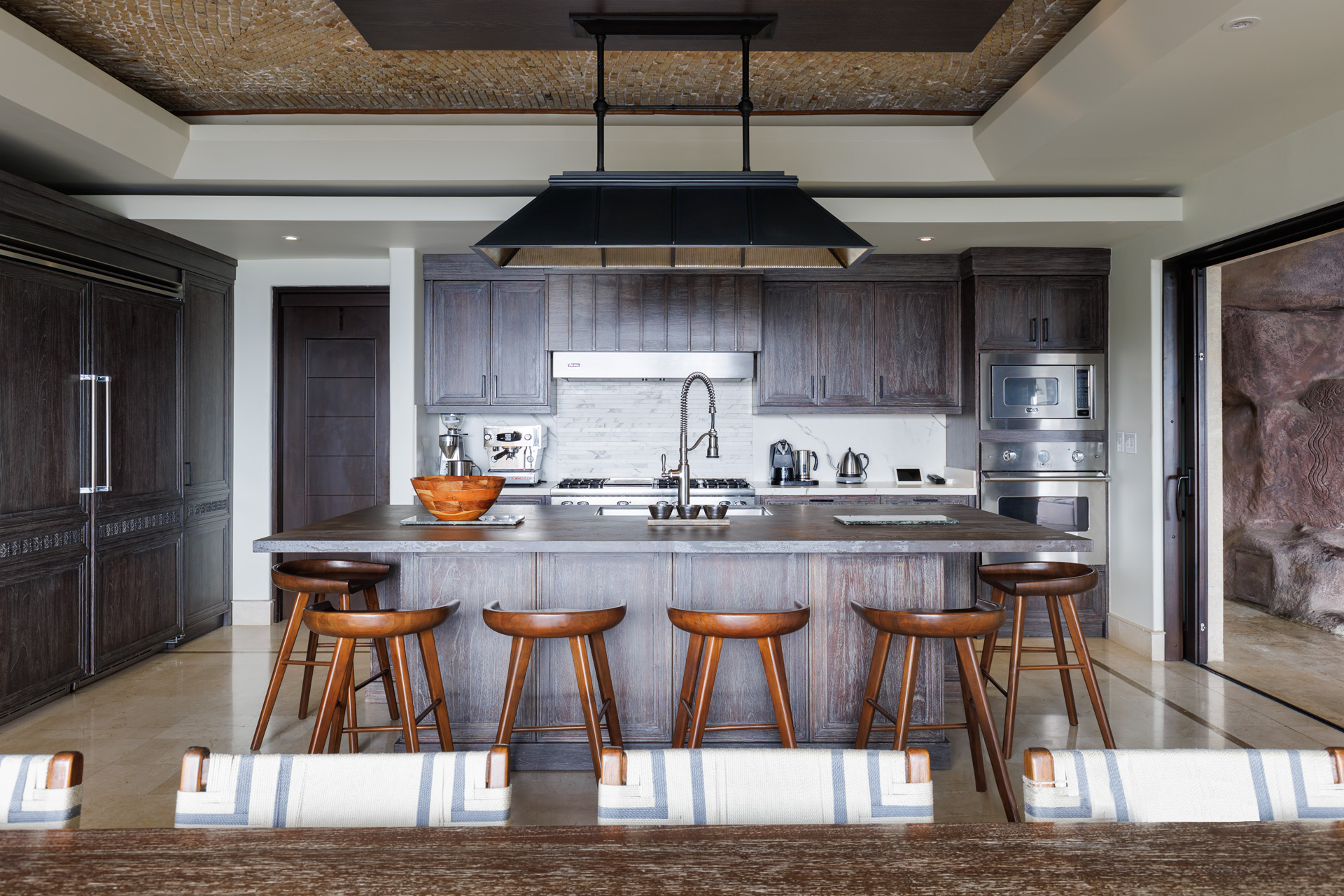
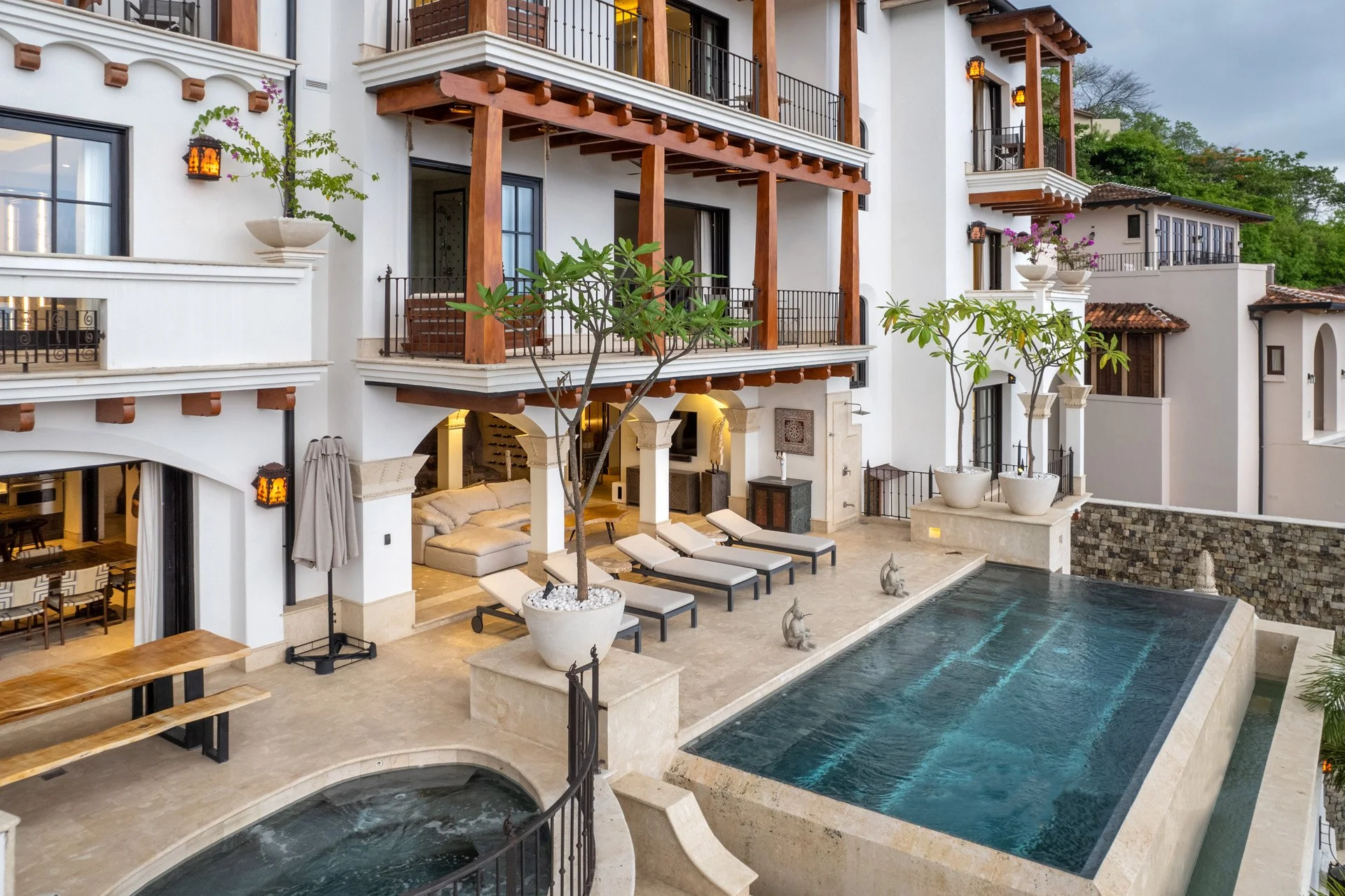
Villa Alberti in Las Catalinas is built around these requirements. Seven suites sleep up to 21 guests in beds, including a dedicated children's suite. Two pools, a rooftop lounge, and a media room give different age groups simultaneous space. Las Catalinas is car-free and walkable, removing vehicle coordination from daily life entirely.
Activity planning for a wide age range
The most common mistake: building an itinerary around the most active members and assuming everyone else will adapt.
The better framework is parallel programming , activities that run simultaneously for different subgroups, with shared anchor moments for the full group.
Works for almost every age:
Calm beach swimming and town walks
In-villa pool time
Shared meals , the most reliable group anchor of any multigenerational trip
Wildlife spotting on easy trails (howler monkeys, iguanas, and birds are common near Las Catalinas)
Works for active subgroups:
Zip-lining and canopy tours
Snorkeling and paddleboarding
Day trips to Rincon de la Vieja for hot springs and volcanic landscape
Mountain biking on marked trail networks
Works for younger children:
Shallow beach swimming
Media rooms and in-villa entertainment as an afternoon fallback
Open plazas and spray parks in walkable town settings
The most successful multigenerational itineraries build in two or three mornings where subgroups go their separate ways, then reunite for lunch or dinner. This reduces the pressure of constant group consensus and gives each generation the trip they actually wanted.
Logistics that matter for large groups
Arrival coordination. Staggered flight arrivals across one or two days are normal for groups of 12 or more. Confirm that the property or travel advisor can manage multiple ground transfers. Liberia International Airport keeps transfer time under an hour for most Guanacaste properties.
Dietary needs. A group of 18 across three generations almost always includes dietary restrictions and preferences. At a staffed villa, these are communicated during pre-arrival planning and handled by the culinary team. Confirm the villa's process for dietary accommodation before booking.
Mobility considerations. If any guests have limited mobility, evaluate the property layout and destination accessibility specifically. Las Catalinas' flat, paved pedestrian streets work for most mobility levels. Many remote Costa Rica villa locations do not.
Pre-arrival communication. A staffed villa with an active hospitality team , one that communicates with the group in the weeks before arrival , produces a meaningfully smoother first day. Ask any villa what their pre-arrival process looks like for groups of your size.
Let’s Work Together
FAQs
What is the best region in Costa Rica for a multigenerational vacation?
1
Guanacaste is the most practical choice for most multigenerational groups. Reliable dry season weather, calm beaches, and Liberia International Airport keep logistics manageable for guests of all ages and mobility levels.
What accommodation works best for a large multigenerational group?
2
A fully staffed private villa. It keeps the group together in a private environment, removes the meal and logistics burden from the trip organizer, and allows different age groups to use the property simultaneously without competing for shared space.
How do you plan activities for guests with very different abilities?
3
Build in parallel programming rather than forcing a single itinerary on the whole group. Plan mornings where subgroups go their separate ways, then anchor the day around a shared meal. Calm beach time and in-villa pool time work across almost every age and mobility level.
What should I ask a Costa Rica villa before booking for a multigenerational group?
4
Ask about actual bed count, suite breakdown per household, common space variety, children's accommodation, dietary accommodation, and how the property handles staggered arrivals. A property that cannot answer these questions clearly is not prepared for a large group.