

What makes a luxury villa in Costa Rica feel truly easy for the guest, not just expensive?
A luxury villa feels “worth it” when it removes friction. The best stays feel calm because arrival is handled, the home is stocked correctly, meals are simple, the layout fits the group, and the destination does not force constant coordination. In Costa Rica, the difference between “expensive” and “effortless” is usually operational, not aesthetic.
Key facts
“Luxury” and “ease” are not the same, ease is about fewer decisions and fewer handoffs.
Guanacaste Airport (LIR) is widely positioned as a key gateway for Costa Rica’s north Pacific coast.
Las Catalinas describes itself as a car-free, fully walkable beach town, which can materially reduce daily logistics.
Las Catalinas promotes over 22 kilometers of single-track mountain bike trails, which makes “do something active” easy without big planning.
Villa Alberti’s internal planning emphasizes practical ease signals like staffing, real bed comfort, and walkable access, not just headline amenities.
The real test of “easy luxury”
How much thinking does the guest still have to do?
A stay feels premium when the guest does not have to manage it like a project.
Guests usually notice “ease” in small moments:
Someone is ready for them when they land.
Transfers are already handled.
The house is stocked the way they actually live.
Meals feel simple, whether in-villa or nearby.
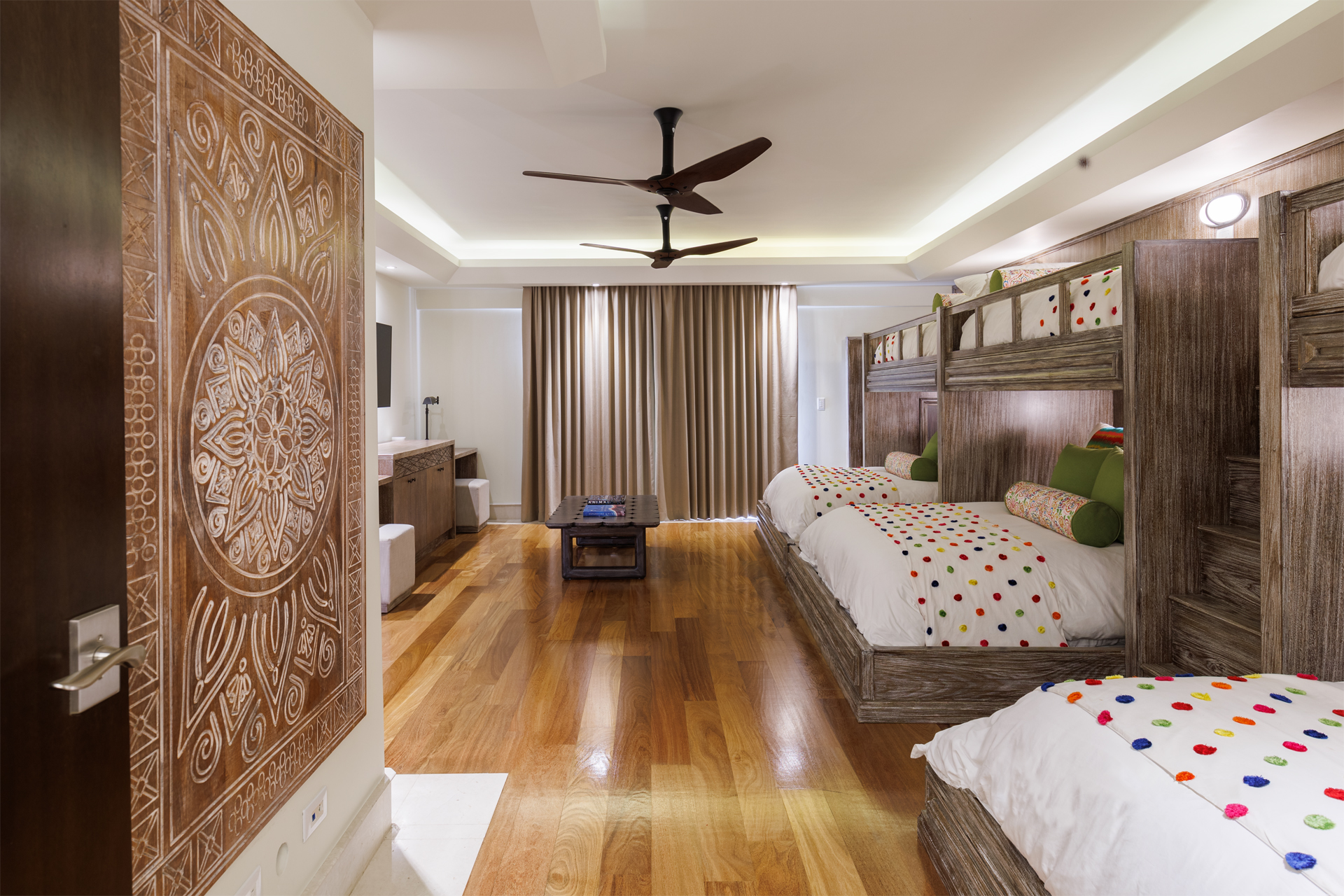
The layout works for the real group, not the brochure group.
1. Arrival is the tone setter
Smooth arrival beats “nice house” on day one
Costa Rica can add friction fast: late flights, bags, tired kids, and unfamiliar roads.
A villa stay often feels easier when:
the closest airport is practical for the destination
transfers are arranged in advance
staggered arrivals are supported without drama
guests are not forced into self-driving decisions on day one
LIR is a gateway to Guanacaste’s beach destinations, which is why so many high-end plans start there.
2. Service quality beats service volume
The question is “what removes work for the guest?”
More services listed does not automatically mean a more relaxing stay.
The services that reliably reduce guest effort are usually:
predictable housekeeping cadence
fast, clear concierge communication
grocery planning and pre-stocking
chef options that match the group’s dining rhythm
quiet on-property support that is available when needed
You will see some villa platforms market this exact concierge stack, including transfers, private chefs, pre-stocking, and excursions.
For Villa Alberti, the point is not “more bells and whistles.” The point is designing the stay so guests do not have to coordinate every detail themselves.
3. The destination has to cooperate
A walkable destination can feel more luxurious than a more isolated one
A villa cannot do all the work if the destination creates constant transportation needs.
Las Catalinas explicitly positions itself as car-free and fully walkable, which changes the day-to-day mechanics in a real way.
If guests can walk to key touchpoints, the trip often feels lighter. That is especially true for families and groups who otherwise spend the week coordinating rides.
Las Catalinas also promotes over 22 kilometers of single-track mountain bike trails, which makes it easier to build “active days” without a big logistics plan.
4. Layout matters more than size
Comfort comes from configuration, not square footage
A big villa can still feel hard if the layout is wrong.
Ease usually comes from:
enough real bedrooms for the group
sensible bathroom distribution
common spaces that absorb the whole group
separation for privacy when people need quiet
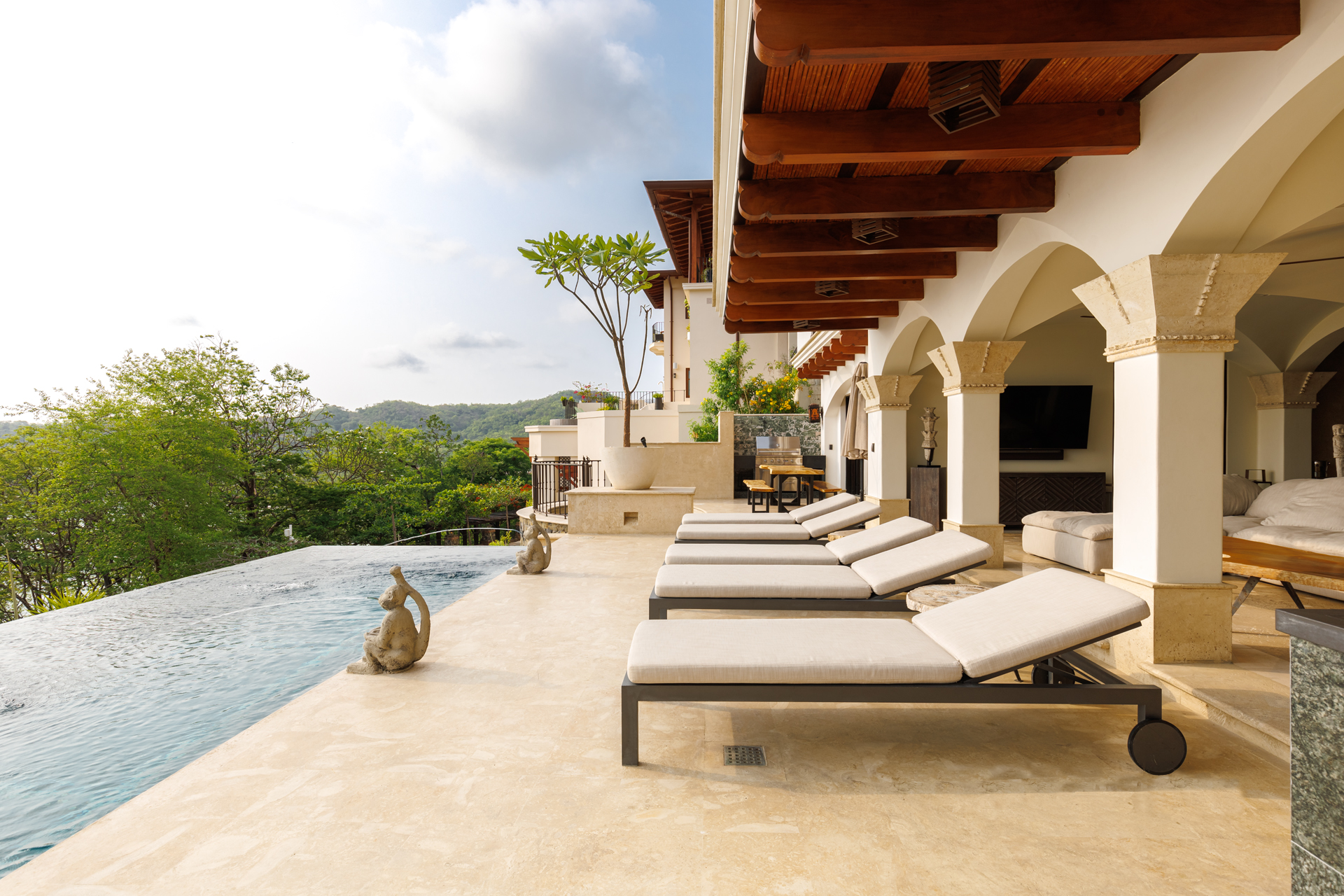
outdoor areas that are usable, not just photogenic
In Villa Alberti’s internal planning, the focus is on practical fit details that reduce group friction, like real bed comfort, en suite patterns, children’s sleeping considerations, and gathering zones.
5. “Intuitive” beats “fragile”
The house should feel livable, not like a showroom
Some homes are stunning but require guests to tiptoe around the property to keep it pristine.
A villa feels easy when:
kids can move through it safely
adults can find both communal and quiet space
outdoor zones have shade and flow
dining works for actual meals, not staged photos
This is a Villa Alberti brand point: luxury should feel usable, not precious.
6. Group coordination is where ease becomes memorable
The bigger the group, the more “easy” is worth
For multigenerational trips and celebrations, the trip can fall apart in transitions.
The best villas remove coordination by making it easy to:
split up and reconnect
keep meals simple
do activities without a planning committee
support different energy levels in the same day
Where this can fail
The most common mismatch scenarios
This framework fails when “luxury” is treated as a feature checklist instead of an operating model.
Here are the common traps:
A villa looks incredible, but provisioning, meals, and activities are still on the guest.
The destination is beautiful, but every movement requires transportation planning.
The home “sleeps a lot,” but real-bed comfort creates tension within the group.
